
Retail Media Is Entering Its Next Phase: The Pivot Toward the Shopping Cart
What the P2PI Retail Media Summit revealed about helping brands reach grocery shoppers, prove sales impact, and build smarter programs for 2026
At this year’s P2PI Retail Media Summit, there was no shortage of conversation about connected commerce, shopper data, attribution, AI, and the next evolution of retail media.
But beneath all the buzzwords was a much simpler reality.
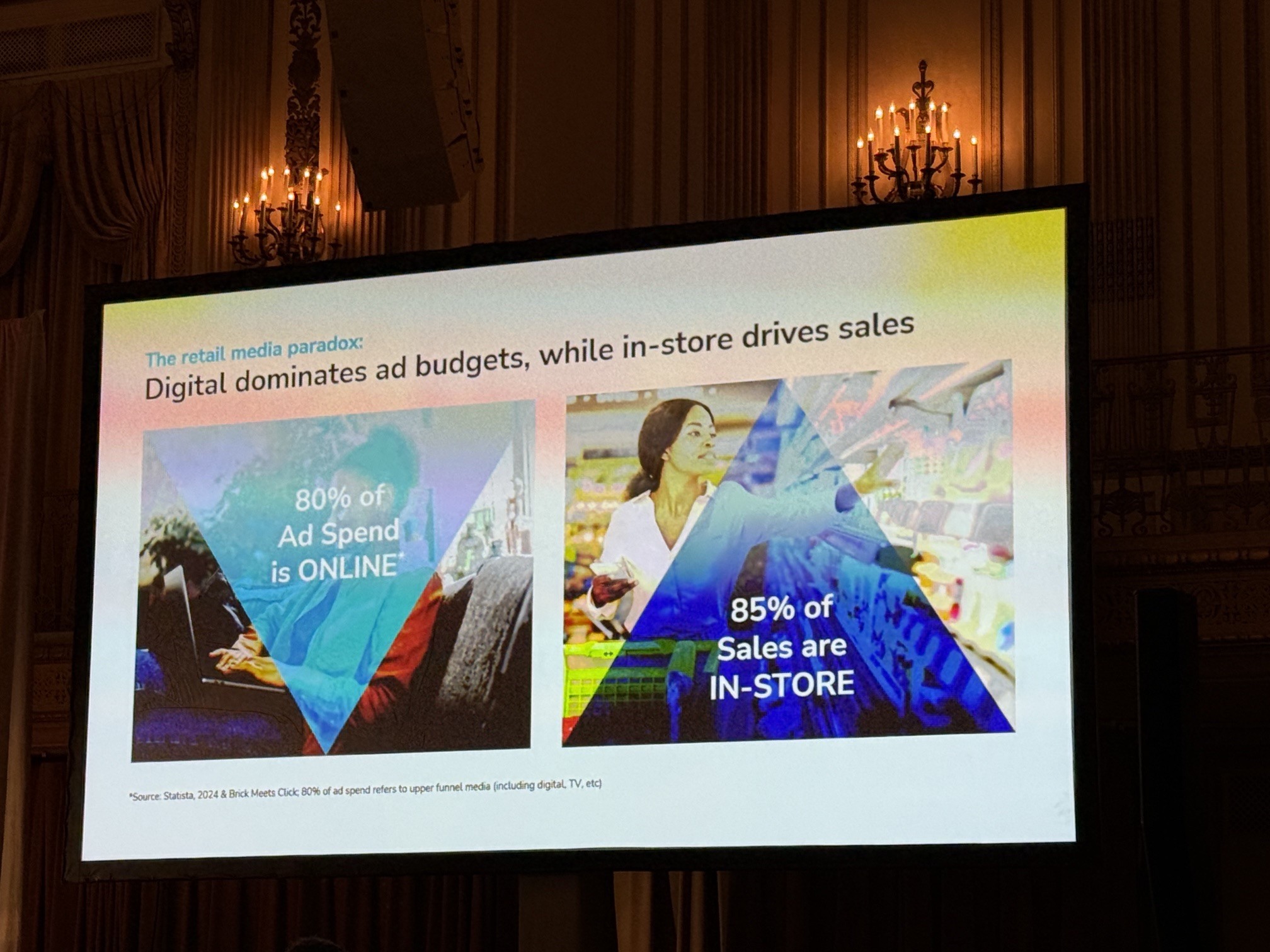
Retail media is still growing quickly, yet there is still a major gap between where many advertising dollars are spent and where grocery shoppers actually make their buying decisions.
Digital channels dominate the retail media conversation. But grocery is still won in the basket, at the shelf, in the circular, through the offer a shopper clips, and in the moment they decide which brand goes home with them.
That gap should not be viewed as a problem for retailers and brands to work around. It is the opportunity they need to solve.
We personally left P2PI energized by what that means for 2026. The industry is moving beyond impressions alone. The next phase of retail media will reward programs that connect digital engagement to real store behavior, give brands better access to regional grocery shoppers, and prove results with actual sales data.
Retail Media Has an Attention Problem. Grocery Has a Transaction Advantage.
Retail media has become one of the most important channels in modern commerce because it gives brands access to shoppers with intent. But as networks multiply and ad inventory expands, simply reaching an audience is no longer enough.
Brands want to know what happened after the impression.
Did the shopper engage? Did they redeem the offer? Did they buy the product? Did the campaign grow the basket, increase unit movement, or create incremental sales?
That question becomes especially important in grocery, where the purchase journey is not always linear. A shopper might see an offer in email, browse a digital circular, encounter a product message in an app, and make the actual decision in the store aisle.
The retailers that win in 2026 will not treat those moments as disconnected channels. They will build programs that recognize the full shopper journey and make every touchpoint work together.
That means moving beyond the idea that retail media is simply an ad placement. It is a connected system for influencing purchase behavior and proving what that influence delivered.
Independent and Regional Grocers Deserve a Bigger Seat at the Table.
One of the strongest themes from P2PI was the growing need for brands to find smarter, more flexible ways to reach valuable grocery shoppers outside of only the largest national chains.
National retail media networks will always play an important role. But they are not the only path to meaningful scale, trusted shopper relationships, or measurable sales performance.
Independent and regional grocers have something brands cannot afford to overlook: loyal local shoppers, deep community trust, and a direct connection to real purchase behavior.
Adsta helps make that audience easier to access.
Across 4,000+ stores, Adsta connects brands with millions of grocery shoppers representing more than $250 billion in annual sales. More importantly, it gives wholesalers and retailers a way to participate in retail media without needing to build a massive in-house media operation from scratch.
For brands, that means a more efficient way to activate campaigns across trusted regional grocery environments.
For retailers and wholesalers, it means a stronger opportunity to monetize the channels and shopper relationships they already own.
The future of retail media should not belong only to the biggest networks. It should create a more useful, measurable marketplace for the grocery retailers shoppers already know and trust.
The Best Campaigns Will Connect More Than One Channel.
Retail media often gets divided into separate conversations. Onsite media, offsite media, email, coupons, mobile, in-store, and measurement.
But shoppers do not experience those channels separately.
They need to experience a product launch, a seasonal idea, a relevant offer, or a reminder at the right moment.
That is why the most effective retail media programs will be built around connected campaigns rather than isolated placements.
A shopper might first encounter a brand through targeted offsite media. They may see the product again in a retailer email or digital circular. A digital coupon can create a reason to act. In-store media can reinforce the message when the shopper is close to purchase.
Then, retailer-reported POS data can show whether the campaign actually drove sales.
That is the difference between buying impressions and building a shopper journey.
As brands plan for launches, seasonal promotions, and shopper campaigns in 2026, that flexibility will matter more than ever.
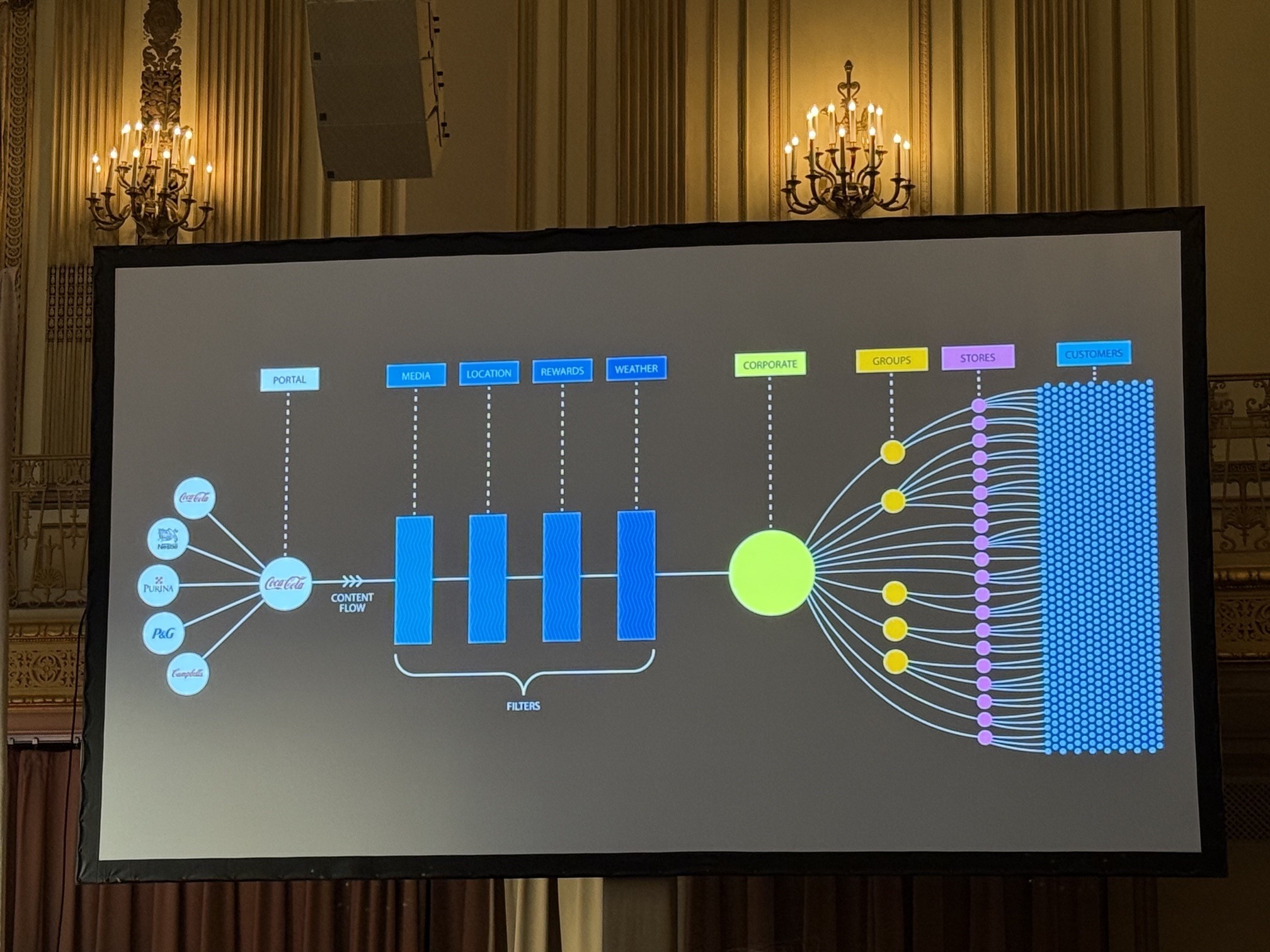
Measurement Needs to Follow the Basket.
The P2PI conversation made one thing clear: retail media is entering its accountability era.
Brands are no longer satisfied with broad impressions, vague engagement, or reports that stop at a click. They want to see verified impact.
That means looking at metrics closer to the sale:
- Unit movement
- Sales lift
- Category share
- Basket behavior
- New and lapsed shopper conversion
- Coupon redemption
- Verified POS outcomes
Adsta has seen what happens when campaigns are measured this way.
In a two-week multi-channel Pillsbury Grands Biscuits campaign with Lowe’s Markets, General Mills generated a 65% increase in unit movement and a 45.8% increase in sales movement compared with the pre-campaign baseline. The campaign delivered $575,000 in total sales and five times the estimated campaign value.
In another campaign for a national CPG brand in the dairy category, a $1-off coupon drove a 36% sales increase and a 34% increase in units. More than half of coupon redeemers were new or lapsed shoppers, creating sales potential that extended beyond the promotional period.
Those results matter because they move the conversation away from, “How many people saw it?” and toward, “What did it actually do?”
That is the standard retail media needs to meet in 2026.
The 2026 Retail Media Playbook Starts With Real Shopping Behavior.
The lesson from the Retail Media Summit is not that digital media matters less.
It is that retail media works best when digital engagement is connected to real-world shopping behavior.
As the market matures, the strongest programs will not be the ones with the most ad placements or the loudest claims. They will be the ones that make it easier for brands to reach the right shoppers, easier for retailers to activate campaigns, and easier for everyone to see what worked.
For retailers and wholesalers, that means treating your owned channels as valuable media assets.
For brands, it means looking beyond the same handful of national networks and investing in programs that can connect awareness, offers, purchase behavior, and verified results.
For Adsta, it reinforces the direction we are building toward every day: smarter media, verified attribution, and real sales lift across the grocery communities that deserve a larger role in the retail media conversation.
Retail media is getting bigger.
In case you missed it, get a copy of our presentation “Smarter Media. Verified Attribution. Real Sales Lift.” below.
Ready to build a retail media strategy that connects digital engagement to measurable grocery sales? Let’s talk.